Emergency gardeners in Addiscombe urgent hedge and tree work
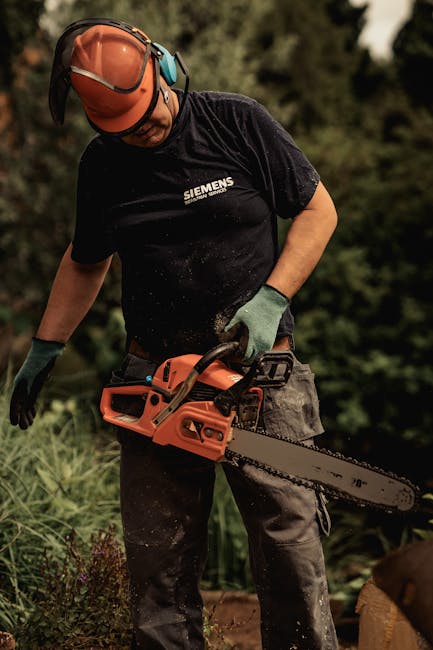
If a hedge has blown over, a branch is hanging into the pavement, or a tree suddenly looks unsafe after a gusty night, you need help fast. That is exactly where emergency gardeners in Addiscombe urgent hedge and tree work comes in. It is not just about tidying things up; it is about making a garden safe, preventing further damage, and dealing with the problem before it becomes a bigger headache.
In practice, urgent garden work often sits somewhere between routine maintenance and an unexpected callout. One minute everything looks fine, and the next you are dealing with split stems, blocked access, broken fencing, or a hedge that has grown wild enough to interfere with neighbours, sightlines, or a driveway. This guide explains what emergency garden services usually involve, how the work is carried out, what to expect from a reliable team, and how to make sensible decisions when time is tight.
For readers who want to understand the wider service picture as well, it can help to look at the broader services overview and the more routine garden maintenance options too. Urgent work is often easiest to handle when it is treated as part of an overall plan, not as a one-off panic.
Why emergency gardeners in Addiscombe urgent hedge and tree work matters
Let's face it, most garden issues start small. A hedge gets a bit scruffy. A tree sheds a few branches. Then a wet, windy spell rolls through and suddenly the problem looks very different. A leaning limb over a footpath is not the same as an overgrown shrub. A hedge that is simply untidy is not the same as one blocking sightlines at a junction or brushing against a wall in a way that could cause damage.
Urgent hedge and tree work matters because speed changes the risk. The quicker you remove unstable growth, reopen access, or reduce strain on weakened stems, the more likely you are to avoid further breakage, injury, or complaints from neighbours. In a built-up place like Addiscombe, where gardens are often close together, even a small failure can affect several properties at once. A branch that drops into a shared passage or a hedge that collapses after heavy rain can make the whole space awkward very quickly.
There is also the practical side. Overgrown hedges can obscure entrances, affect parking visibility, and make simple day-to-day movement harder. Trees with deadwood can shed unexpectedly. Wind-damaged growth can snag on fences or gutters. If you leave it too long, what might have been a focused cut-back becomes a more disruptive job involving clearance, disposal, and possibly repairs. Nobody really wants that on a Tuesday morning before work.
Another reason this matters is peace of mind. If you have ever stood at the window after a storm and thought, "That does not look right," you already know the feeling. A prompt assessment and a clean, safe intervention can settle things down fast. That is especially helpful if the work involves an access route, a boundary hedge, or a tree that looks like it is moving more than it should in the wind.
Practical takeaway: urgent garden work is about reducing risk first, then restoring order. A neat finish is good, but safety and stability come before appearance every time.
How emergency gardeners in Addiscombe urgent hedge and tree work works
Emergency garden work usually follows a simple pattern, even if the situation feels messy. First comes the initial call or enquiry. The gardener listens for the key details: what happened, whether anything is hanging loose, whether access is blocked, and whether there is immediate danger to people, property, or vehicles. That first conversation is often surprisingly useful. A good description can save time and help the team arrive with the right equipment.
Next is the assessment. In a straightforward case, this might be done quickly on arrival. A professional will look at the size and condition of the hedge or tree, the direction of any lean, the amount of material that needs removing, and whether the job can be handled safely without extra support. If the issue is more serious, they may decide to take the risky parts down first and return for follow-up work later. That is not hesitation. It is sensible judgement.
For hedge work, emergency action may involve reducing height, pulling back overhang, removing damaged sections, or opening access routes. For trees, it may mean selective pruning, removing dead or broken limbs, or carrying out controlled lopping and removal where necessary. If the tree is close to structures, fences, sheds, or overhead obstacles, the method has to be more careful. The point is not to do the biggest cut possible. The point is to do the right cut in the right order.
You may also see garden waste removed as part of the visit, especially if the debris is obstructing pathways or posing a trip hazard. In more involved cases, the team may recommend a return visit to finish clearing, reshape the hedge, or tidy surrounding planting. If the garden has suffered wider disruption, a linked service such as garden clearance can be helpful afterwards, because emergency jobs often leave behind more debris than people expect.
And yes, sometimes the issue is not dramatic at all. A hedge simply grew faster than anyone noticed. A tree started rubbing a fence. A branch cracked, but did not fall. Those are still valid reasons to call. Emergency work is not only for cinematic storm damage. It is also for the quieter problems that turn into bigger ones if ignored.
Key benefits and practical advantages
The biggest benefit is obvious: safety. If a hedge has collapsed into a driveway or a tree limb is unstable, fast intervention can reduce the chance of injury and protect property. But there are a few more benefits worth spelling out, because the value of urgent garden work is often broader than people expect.
- Faster risk reduction: unstable growth is dealt with before it becomes a fall, snag, or obstruction.
- Clearer access: paths, gates, driveways, and side passages can be reopened quickly.
- Better neighbour relations: overhanging growth, boundary encroachment, and blocked views are handled before they become a row.
- Less secondary damage: branches that are removed early are less likely to break fencing, gutters, or nearby planting.
- Cleaner recovery: a swift cut-back often costs less time and disruption than a delayed, heavily overgrown job.
There is also a confidence benefit. A garden that suddenly looks hazardous can make a home feel unsettled. That sounds dramatic, but if you live with a leaning tree near a bedroom window, you know what I mean. Once the risk is addressed, the whole property feels calmer again. The sound of wind through the branches becomes just that: wind, not a worry.
From a practical maintenance standpoint, emergency work can also reveal wider issues. A broken hedge may show a dead root system. A storm-damaged tree can expose rot or hidden weakness. A rushed callout can therefore be the first step toward a more sensible long-term plan, especially if you later move into regular trimming or seasonal care.
Who this is for and when it makes sense
This service is useful for homeowners, landlords, managing agents, tenants with permission, and small business owners who need outdoor areas safe and usable again. It is especially relevant after stormy weather, prolonged rain, hot dry periods that weaken growth, or periods where a garden has simply been left too long and then tipped over the edge by one bad night. Truth be told, that happens more often than people admit.
It makes sense if you are dealing with one of these situations:
- a hedge has fallen, split, or become unstable
- branches are touching windows, roofs, fencing, or power-related infrastructure
- a tree has visible deadwood, a sudden lean, or a cracked limb
- access to a path, gate, or driveway is blocked
- growth is causing an immediate nuisance or safety concern
- you need urgent work before visitors arrive, a property handover, or a letting inspection
It may also make sense if your garden is part of a wider upgrade. For example, if the hedge work exposes a badly kept boundary or the tree removal leaves the whole area looking uneven, you may want to consider follow-up landscaping or structural improvements. Services such as landscaping and landscape gardening can be the next sensible step once the immediate risk has passed. First fix the urgent issue, then think about the shape of the space.
If you are unsure whether the job is truly urgent, ask yourself one simple question: could someone get hurt, or could the problem get worse overnight? If the answer is yes, you probably do not want to sit on it and hope for sunshine. Hope is lovely. Not a plan, though.
Step-by-step guidance
When urgent hedge or tree work is needed, a calm sequence helps. It is easy to feel rushed, but a bit of structure makes the whole job safer and smoother.
- Check for immediate danger. Stay away from hanging branches, split trunks, and unstable growth. If something is visibly precarious, do not stand underneath it.
- Take a few photos. This helps explain the issue clearly and gives a before picture for later reference. Handy, nothing fancy.
- Note access points. Tell the gardener where they can enter, whether there is parking, and whether any gates or side paths are narrow.
- Explain the priority. Say whether safety, access, neighbour impact, or appearance matters most right now.
- Ask how the work will be handled. A clear explanation of the method is a good sign. You want judgement, not guesswork.
- Confirm waste removal. Heavy hedge and tree work creates a surprising amount of debris. Make sure you understand what will be cleared away.
- Plan the tidy-up. If the urgent work reveals a larger maintenance issue, decide whether you want follow-up trimming or more regular care.
If the problem is linked to a hedge that has outgrown its space, a dedicated hedge trimming service may be the more appropriate long-term solution once the emergency has passed. The point is to match the response to the problem. Not every hedge needs drastic reduction; some just need careful reshaping and proper aftercare.
One small but useful tip: keep pets and children indoors while the work is being done. Even a neat job involves moving tools, falling cuttings, and a fair amount of noise. It is not a spectator sport, really.
Expert tips for better results
In our experience, the best urgent jobs are the ones where the priorities are clear from the start. That sounds almost too simple, but it makes a real difference. If you tell the gardener, "The branch is over the neighbour's car and the hedge is blocking the alley," they can sequence the work properly. If you only say, "It's a bit of a mess," you may still get help, but the response can be less efficient.
Here are a few practical tips that tend to improve the outcome:
- Be honest about the scale. If the hedge has been neglected for months, say so. It is better for the gardener to arrive prepared.
- Flag any previous damage. Old splits, weak trunks, or known root issues matter.
- Keep boundaries in mind. If the work affects a shared fence or neighbour-facing hedge, mention it early.
- Ask for the safest option, not the quickest one. Fast is important, but safe and appropriate matters more.
- Think beyond the one-off visit. A follow-up plan can stop the same problem returning in a few weeks.
A good contractor will usually advise whether the tree needs pruning, reduction, or removal. They may also suggest post-work care, like seasonal checks, regular hedge maintenance, or a better rhythm for mowing and general upkeep through the growing season. Small, steady care often prevents big surprises. It really does.
If the garden overall is struggling after a period of neglect, a broader service such as lawn mowing or regular garden maintenance may be worth adding later. Emergency work clears the crisis; ongoing maintenance keeps it from coming back.
Common mistakes to avoid
When people are stressed, they sometimes do the first thing that looks easy. Fair enough. But with hedge and tree emergencies, a few common mistakes can create extra trouble.
- Climbing unstable ladders or fences. This is one of the biggest avoidable risks. If the growth is high or unstable, leave it to someone equipped for it.
- Cutting too much too quickly. Heavy, rushed cutting can shock a hedge or make a tree structurally weaker.
- Ignoring hidden damage. A branch may look fine from one angle and be cracked underneath.
- Forgetting about waste volume. A small storm job can produce a shocking pile of cuttings and timber.
- Assuming all trees and hedges are handled the same way. They are not. Species, age, location, and condition all matter.
Another mistake is treating urgency as an excuse to skip checking credentials, insurance, or safety approach. You do not need to make it formal and stuffy, but you should still ask sensible questions. A careful service provider should be able to explain how they handle risk and waste, and what happens if the job uncovers a bigger issue than expected. The insurance and safety information on the site is a useful place to understand that wider approach.
And yes, there is such a thing as over-correcting. A hedge that has become too tall does not always need to be hacked down to the last green twig. Sometimes the best result is staged reduction, with the shape restored over time. Better to breathe, then cut.
Tools, resources and recommendations
Emergency hedge and tree work depends on having the right kit for the condition in front of you. The exact tools vary by job, but a few are commonly involved in urgent callouts:
- hand pruners and loppers for smaller stems
- hedge cutters for trimming and reduction work
- chainsaw equipment where heavier timber needs controlled removal
- ropes or support equipment for managing awkward branches
- gloves, eye protection, and sturdy footwear
- collection tools, tarps, and waste handling equipment for cleanup
The most important resource, though, is judgement. Tools are only useful if the person using them understands tree structure, hedge growth, access constraints, and safe working limits. That is why a quick callout is not just about speed. It is about the ability to make good decisions on the spot. A noisy saw can do a lot, but it cannot replace common sense. Shame, really.
If you are comparing services or thinking ahead, the following pages may help you understand what is available and how the business operates: tree lopping and removal for larger woody work, garden clearance for the aftermath, and pricing and quotes if you want to understand how estimates are usually approached. For the company background itself, the about us page can also be helpful.
Law, compliance and best practice
Any urgent hedge or tree job in the UK should be handled with proper care around safety, access, and property boundaries. You do not need to memorise legal detail to make a good decision, but a few practical principles matter.
First, do not assume you can remove every branch or tree section without checking whether there are ownership, boundary, or permission issues. If a hedge sits on a shared line or a tree is protected in some way, extra care is needed. In real life, the right answer is often to pause, assess, and avoid making a permanent decision in a rush. That sounds obvious, but in a stormy moment people can forget.
Second, safe working practice matters more than appearance. Good practice usually includes risk assessment, suitable equipment, protective gear, controlled cutting, and tidy waste management. If the job involves awkward access, unstable material, or debris falling near a public path, those concerns should be treated seriously. The public-facing side of a garden can look simple from the road while hiding all sorts of nastiness behind the hedge.
Third, disposal should be sensible and respectful. Green waste should be handled responsibly, and if material is being removed after a major cut-back, it should not just be dumped into a corner and forgotten. The company's approach to recycling and sustainability is worth reviewing if environmental responsibility matters to you.
Finally, if work involves significant height, heavy timber, or obvious instability, it is better to use trained help rather than improvise. Best practice is not about being dramatic; it is about reducing the chance of something going wrong when it really does not need to. There is enough drama in a fallen branch already.
Options, methods and comparison table
Not every hedge or tree issue needs the same response. Sometimes the right approach is a light reduction. Sometimes it is careful pruning. Sometimes a hazardous section has to be removed entirely. Here is a simple comparison to help you think it through.
| Method | Best for | Typical outcome | When it is less suitable |
|---|---|---|---|
| Light trim or tidy-up | Overgrowth without structural damage | Improves shape and access | Not enough for storm damage or instability |
| Selective pruning | Broken or awkward branches, uneven growth | Reduces risk while keeping plant structure | May not solve severe leaning or decay |
| Hedge reduction | Hedges that have outgrown their space | Restores boundary control and visibility | Not ideal if the hedge is already weak or sparse |
| Tree lopping or removal | Unsafe, damaged, or compromised trees | Removes the danger or major defect | Only appropriate when lesser measures are not enough |
| Full clearance | Heavy storm debris or multiple affected areas | Clears access and resets the space | Less suitable for a single isolated issue |
The practical insight here is simple: the cheapest-looking fix is not always the best one, and the biggest-looking cut is not always necessary. A good gardener will match the method to the condition, not just to the clock.
Case study or real-world example
Here is a realistic scenario. After a windy night, a homeowner in Addiscombe notices that a hedge beside the side return has split halfway through and is leaning into the walkway. A small tree near the back fence has also lost a branch, which now rests awkwardly on the fence panel. Nothing has fallen onto the road, but the access route is awkward and the whole area feels unsafe.
The sensible response is not to wrestle with it before breakfast. The gardener arrives, checks the split hedge, removes the unstable material, and opens the side access again. The broken branch is taken down in a controlled way rather than yanked free. The waste is cleared, the fence is inspected visually, and the homeowner is advised to monitor the remaining tree structure and book follow-up trimming when the weather settles.
What made the job work well was not just the cutting. It was the sequence: stabilise, clear, assess, then plan the next step. That is how urgent work should feel. Efficient, calm, a little unglamorous, but effective. The property is safer by lunchtime, and that matters more than perfection.
In a slightly different version of the same story, the hedge might have needed only a careful reduction and the tree might have been fine after deadwood removal. The point is that good emergency garden work adapts to the situation instead of forcing one fixed solution on every problem.
Practical checklist
Use this checklist if you are dealing with urgent hedge or tree work and want to stay organised.
- Check whether anyone is in immediate danger.
- Keep clear of hanging branches or unstable stems.
- Take a few photos of the issue from a safe distance.
- Note whether access is blocked or partially blocked.
- Identify whether the hedge or tree is near a fence, wall, roof, path, or road edge.
- Explain what happened and when it started.
- Ask what method is likely to be used.
- Confirm whether waste will be removed.
- Check whether follow-up maintenance may be needed.
- Make sure children and pets stay out of the work area.
If the immediate work also leaves you with a larger maintenance backlog, you might later want to look at longer-term services such as lawn mowing, landscaping, or even decking services if the garden is being refreshed more broadly. That is not always needed, of course. But sometimes an emergency becomes the nudge that finally gets the whole space back in shape.
Get a free quote today and see how much you can save.
Conclusion
Emergency gardeners in Addiscombe urgent hedge and tree work is really about one thing: restoring safety and control when plants stop behaving like background features and start behaving like a problem. Whether it is storm damage, a split hedge, a dangerous branch, or a sudden access issue, the right response is prompt, calm, and well judged.
The best outcomes usually come from clear communication, sensible expectations, and a willingness to treat the immediate hazard before worrying about the perfect finish. Sometimes the job is small. Sometimes it is more involved. Either way, getting it handled properly can save you time, stress, and a lot of awkward second-guessing later. And that, to be fair, is a relief worth having.
For a service that understands both urgency and the longer view, it helps to work with people who can handle the immediate issue and point you towards the next sensible step. A garden can recover. Quite often, faster than you think.
Frequently Asked Questions
What counts as an emergency garden job for hedges or trees?
It usually means any hedge or tree issue that creates immediate risk, blocks access, or could get worse quickly. Common examples include split hedges, hanging branches, storm damage, and unstable growth near walkways or vehicles.
Can urgent hedge work be done the same day?
Sometimes, yes. It depends on the size of the job, access, weather, and how dangerous the situation is. Small safety-focused cuts or access clearances are often quicker than full reshaping jobs.
Is tree lopping the same as tree removal?
No. Lopping usually means cutting back branches or reducing the tree's size for safety or clearance. Removal means taking the tree down entirely. The right option depends on the tree's condition and location.
How do I know if a tree is too dangerous to leave until later?
If it is leaning suddenly, has cracked limbs, or looks unstable after wind or rain, it is safer to treat it as urgent. If you are unsure, keep clear of the area and ask for an assessment rather than guessing.
What should I do before the gardener arrives?
Stay away from unstable branches, keep children and pets inside, take a few photos if it is safe to do so, and make sure access is open. A clear description of the problem helps the team prepare properly.
Will the gardener remove all the waste?
That depends on the job, but waste removal is often part of a proper emergency visit, especially if debris is blocking paths or creating a hazard. It is always sensible to confirm this upfront.
Do emergency hedge and tree jobs cost more than routine maintenance?
They can, because they often involve faster response, more complex risk, or extra waste disposal. The exact price depends on the scale of the work, access, and the amount of material involved.
Can a hedge recover after a major cut-back?
Often it can, but not always in the same way. Some hedges tolerate reduction better than others. A careful approach is usually best, especially if the hedge is old, thin, or already stressed.
What if the problem is on a boundary with a neighbour?
Boundary work is common in garden emergencies, but it needs a bit of care. It is best to explain the situation clearly and avoid making assumptions about ownership or permission if the issue affects shared space.
Is this kind of work covered by general garden maintenance?
Sometimes the urgent fix is a one-off callout, and sometimes it leads into regular care. If the hedge or tree issue is part of a wider upkeep problem, ongoing maintenance is often the smarter follow-up.
What if I need the garden cleared after the emergency work?
That is very common. After a storm or major cut-back, the remaining waste and debris can be handled separately through garden clearance, especially if the space needs a fuller reset.
How do I get the best result from an urgent visit?
Be specific about the danger, share clear photos if possible, and ask how the work will be handled before it starts. A good result usually comes from a good conversation first. Simple, but true.